
This post contains affiliate links. As an Amazon Associate, we earn from qualifying purchases.
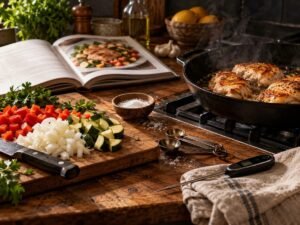
Cooking from scratch sounds like a big project, but as this beginner guide shows, it really means making dinner from basic ingredients instead of boxes, kits and takeout. You don’t need special skills or equipment to start, just a handful of simple recipes you repeat until they feel easy.
It’s also one of the most practical ways to push back on a grocery bill that keeps climbing. Learning to cook a few basics yourself usually costs less than takeout or ready-made meals, and you get to decide exactly what goes into them.
Below you’ll find what cooking from scratch really means, the few skills worth learning first, what to cook first, a first week of dinners and the short list of tools you actually need.
Jump to a section
- What Does “Cooking From Scratch” Actually Mean?
- What Every Beginner Cook Should Know First
- What to Cook First When You’re Starting From Scratch
- Pantry Staples That Make Scratch Cooking Easier
- Common Beginner Mistakes (and How to Avoid Them)
- How to Build Confidence Cooking From Scratch
- A First Week of Cooking From Scratch
- The Tools You Actually Need
- Free Printables
- Beginner Cooking Questions
What Does “Cooking From Scratch” Actually Mean?
Cooking from scratch doesn’t mean making everything by hand. It simply means using real, basic ingredients instead of relying on boxed or heavily processed foods.
Think:
- Fresh or frozen vegetables instead of canned meals
- Raw proteins instead of pre-cooked entrées
- Simple seasonings instead of flavor packets
You can still take shortcuts with frozen veggies, jarred sauces, and store-bought broth, which are all fair game. Scratch cooking is about control, flavor, and confidence, not perfection.
What Every Beginner Cook Should Know First
Before jumping into recipes, focus on these fundamentals:
1. Learn a Few Core Techniques
You don’t need dozens of skills, just a few basics:
- How to sauté
- How to boil and simmer
- How to roast in the oven
- How to season properly (seasonings matter!)
2. Keep Your Ingredient List Short
Beginner recipes should use 5–10 ingredients max. Fewer ingredients = less stress and better results.
3. Don’t Aim for Fancy
Comfort food builds confidence. Simple meals done well beat complicated recipes every time.
What to Cook First When You’re Starting From Scratch
Here are the best beginner-friendly foods to start with. These recipes are forgiving, affordable, and incredibly versatile.
1. Scrambled Eggs or Omelets
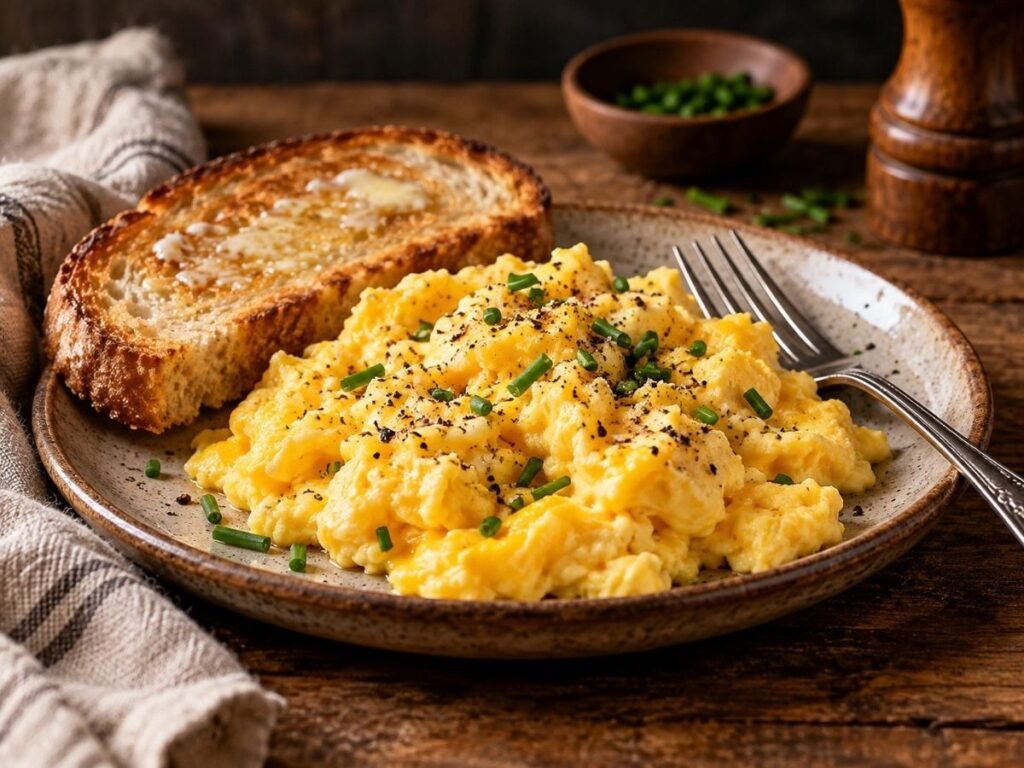
Eggs are one of the best learning tools in the kitchen.
Why they’re perfect for beginners:
- Cook quickly
- Cheap and easy to find
- Teach heat control and seasoning
Start with:
2. Simple Pasta Dishes

Start with a basic pasta and build from there.
Beginner-friendly ideas:
- Spaghetti with homemade marinara
- Buttered noodles with garlic and parmesan
- Pasta with olive oil, veggies, and protein
Pasta teaches timing, sauce-building, and how to balance flavors.
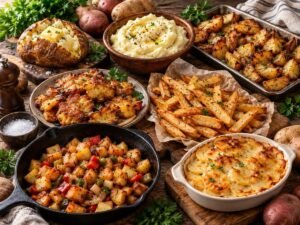
3. Roasted Vegetables
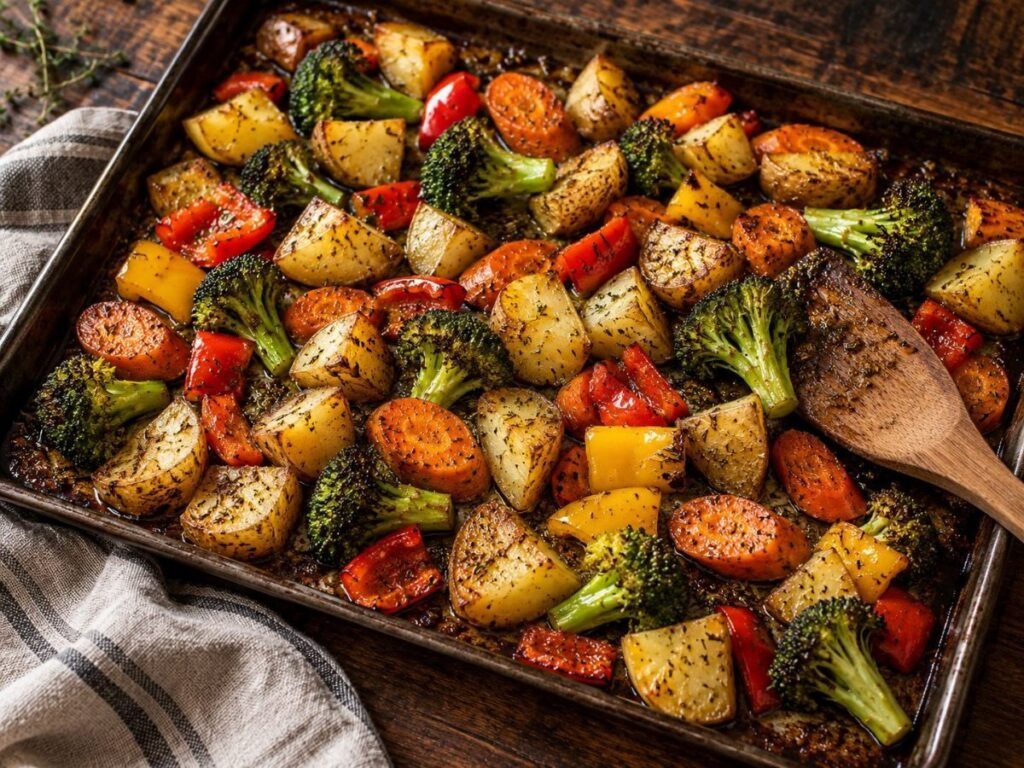
If you can turn on an oven, you can roast vegetables.
Best veggies to start with:
- Potatoes
- Carrots
- Broccoli
- Bell peppers
Just toss with oil, salt, and pepper. Then roast until tender and golden. Simple, delicious, and hard to mess up.
Our Easy Roasted Vegetables recipe uses all four on one sheet pan.
4. One-Pot Soups or Chili

Soups are incredibly forgiving and ideal for beginners.
Why they work:
- Minimal prep
- Easy to adjust seasoning
- Great for leftovers
Start with:
- Chicken soup
- Vegetable soup
- Simple beef chili or turkey chili
If it tastes bland, add salt. If it’s too thick, add broth. You’re in control.
5. Basic Chicken Recipes

Chicken is a scratch-cooking staple.
Beginner-friendly options:
Learning how to season and cook chicken properly is a huge confidence booster. For timing and temperatures, see our guide to how to cook chicken perfectly every time.
Pantry Staples That Make Scratch Cooking Easier
Stocking a few basics can save time and money:
- Olive oil or cooking oil
- Salt & black pepper
- Garlic (fresh or powder)
- Onion (fresh or powder)
- Canned tomatoes
- Rice or pasta
- Chicken or vegetable broth
Common Beginner Mistakes (and How to Avoid Them)
Mistake: Trying complex recipes too soon
Fix: Start simple and repeat recipes until you’re comfortable.
Mistake: Skipping seasoning
Fix: Taste as you cook. Seasoning brings food to life.
Mistake: Giving up after one bad meal
Fix: Every cook makes mistakes. That’s how you learn.
How to Build Confidence Cooking From Scratch
- Cook the same recipe multiple times
- Focus on progress, not perfection
- Celebrate small wins
- Keep meals realistic for your lifestyle
A First Week of Cooking From Scratch
Five simple dinners that each practice one basic skill:
- Monday: scrambled eggs or a cheese omelet with toast. You’ll learn heat control.
- Tuesday: spaghetti with marinara. You’ll learn to boil pasta and simmer a sauce.
- Wednesday: baked chicken breasts with roasted vegetables. You’ll learn to roast and to check for doneness.
- Thursday: chicken noodle soup. You’ll learn to build flavor in one pot.
- Friday: garlic Parmesan buttered noodles with any vegetables left from the week.
The Tools You Actually Need
- A sharp chef’s knife and a cutting board
- One large skillet and one medium pot with a lid
- A sheet pan for roasting
- A wooden spoon and a spatula
- Measuring cups and spoons
- An instant-read thermometer, so you never have to guess whether meat is done
That short list covers every recipe in this guide. For more detail, see our essential kitchen tools.
Free Printables
Two free printables for a new cook: a checklist of 15 pantry staples, and a one-page cheat sheet of safe cooking temperatures and storage times to tape inside a cabinet door.
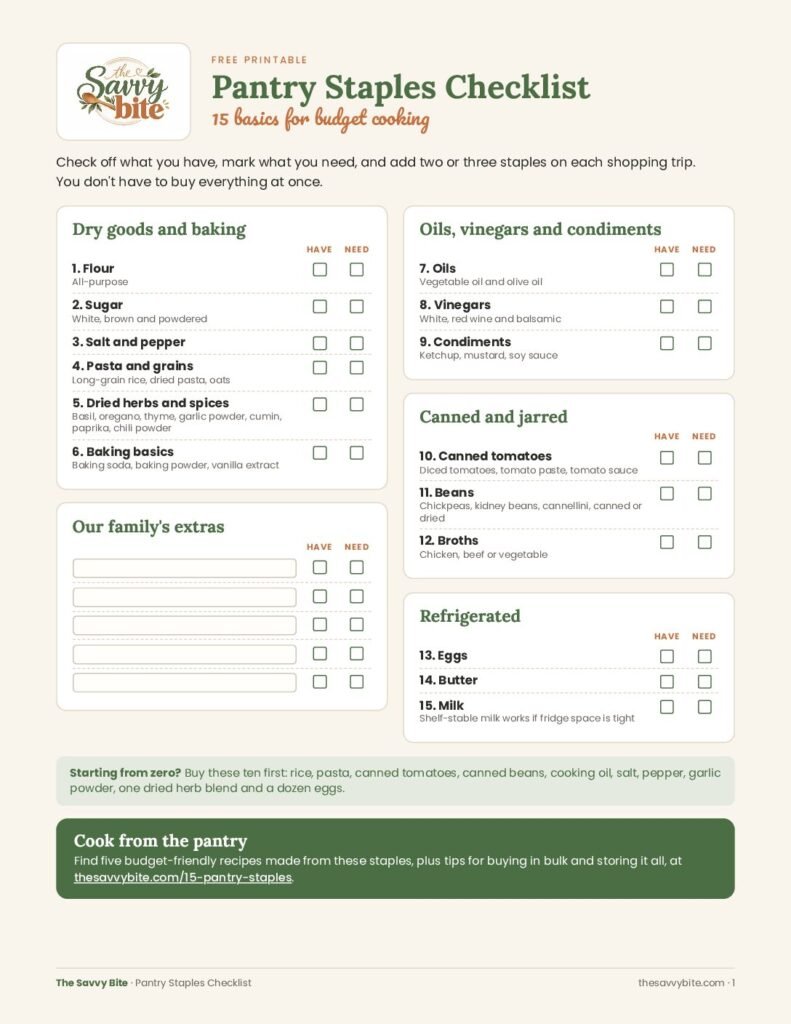
Pantry Staples Checklist
One page: all 15 staples with Have and Need boxes, plus room for your own extras. Free, with no sign-up needed.
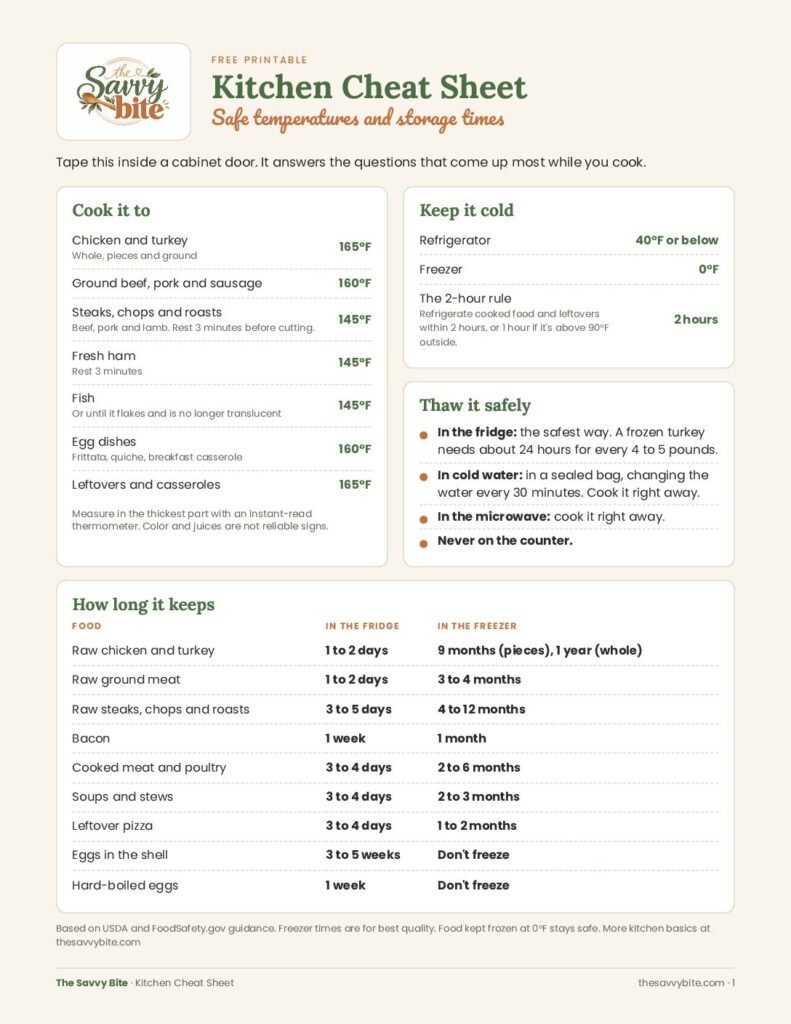
Kitchen Cheat Sheet
One page: safe cooking temperatures, thawing methods and how long food keeps in the fridge and freezer. Free, with no sign-up needed.
See all of our free printables.
Beginner Cooking Questions
What should a beginner cook first?
Eggs. They’re inexpensive, they cook in minutes and they teach you how heat works. Simple pasta and roasted vegetables are good next steps.
Is cooking from scratch cheaper?
Usually. Basic ingredients like rice, pasta, eggs, beans and chicken cost less per meal than takeout or ready-made versions, and leftovers cover another meal.
How long does it take to learn to cook?
Most people feel comfortable with a handful of basic meals after a few weeks of cooking regularly. Repeating the same recipes is what builds the skill.
Looking for easy beginner recipes? Browse our simple, budget-friendly favorites designed to help you cook smarter, not harder.