

This post contains affiliate links. As an Amazon Associate, we earn from qualifying purchases.
Chicken is one of the cheapest proteins at the store, and it’s also the easiest to ruin. Dry breasts, rubbery thighs and pieces that are done outside but raw in the middle usually come down to two things: the wrong method for the cut, and no thermometer.
This guide covers how to cook chicken four ways: baked, grilled, pan-fried and in the slow cooker. Each section has the best cuts, the steps and a timing guide, and the sections after it cover doneness, thawing and storage.
Jump to a section
- First Things First: The Basics That Matter
- How to Bake Chicken (Juicy, Never Dry)
- How to Grill Chicken (Flavorful & Tender)
- How to Pan-Fry Chicken (Golden & Crispy)
- How to Cook Chicken in the Slow Cooker (Fall-Apart Tender)
- How to Know When Chicken Is Done (Without Guessing)
- How to Thaw Chicken Safely
- How to Store Raw and Cooked Chicken
- Chicken Recipes to Practice On
- Free Printable: Kitchen Cheat Sheet
- Chicken Cooking Questions
First Things First: The Basics That Matter
1. Use the Right Cut
Different cooking methods shine with different cuts:
- Chicken breasts → great for baking, grilling, and pan-frying.
- Chicken thighs (boneless or bone-in) → more forgiving, ideal for grilling and slow cooking.
- Whole chicken → best for roasting or slow cooking.
2. Season Generously
Salt is what makes chicken taste like something. Season all sides, ideally 30 minutes or more before cooking. A simple mix of salt, pepper, garlic powder and paprika works on almost anything.
3. Don’t Overcook It
Dry chicken is almost always overcooked chicken. It’s done at 165°F (74°C) in the thickest part, and every minute past that dries it out.
If you cook chicken often, a meat thermometer is one of the best (and cheapest) kitchen tools you can own.
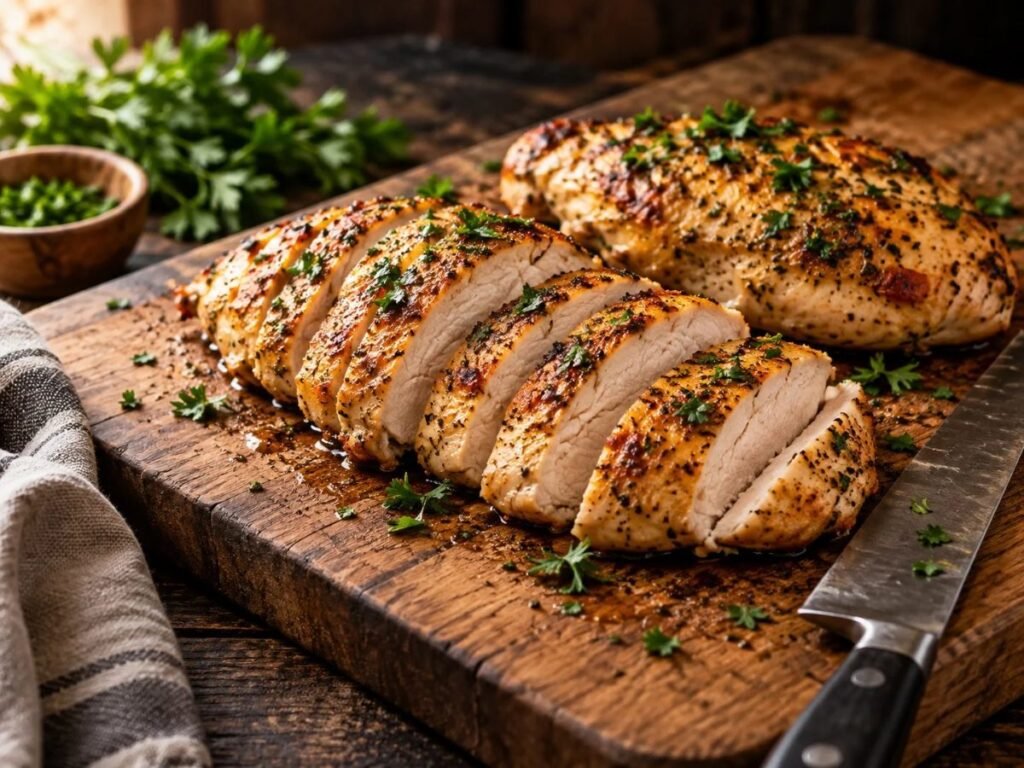
How to Bake Chicken (Juicy, Never Dry)
Baking is the most hands-off method, and a sheet pan of chicken covers several dinners or a week of lunches.
Best for:
Boneless or bone-in chicken breasts and thighs.
How to Do It:
- Preheat your oven to 400°F.
- Pat chicken dry and season well.
- Place in a baking dish or sheet pan.
- Bake uncovered until cooked through.
Timing Guide:
- Boneless breasts: 20–25 minutes.
- Bone-in pieces: 35–45 minutes.
Savvy Bite Tip: Let baked chicken rest for 5 minutes before slicing. This keeps the juices inside instead of on your cutting board.
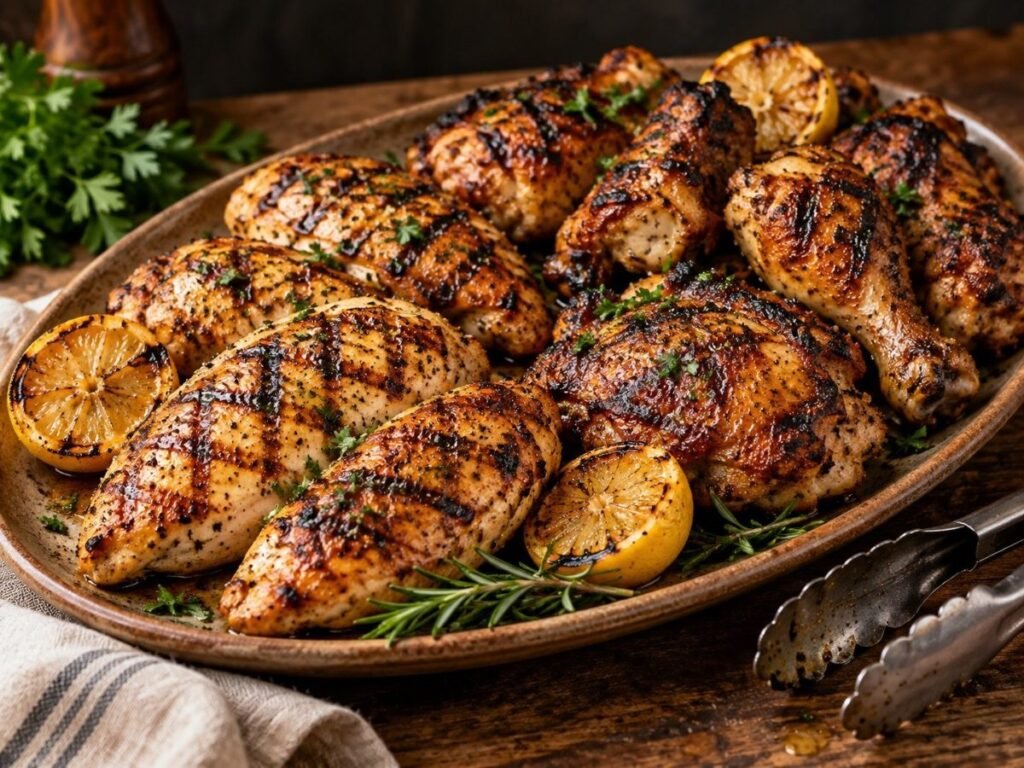
How to Grill Chicken (Flavorful & Tender)
Grilling adds smoky flavor and char, but chicken dries out fast over high heat, so watch the time.
Best for:
Boneless breasts, thighs, drumsticks.
How to Do It:
- Preheat grill to medium-high.
- Lightly oil grates to prevent sticking.
- Grill chicken, flipping once.
Timing Guide:
- Boneless breasts: 5–7 minutes per side.
- Thighs/drumsticks: 6–8 minutes per side.
Savvy Bite Tip: If using chicken breasts, pound them to an even thickness before grilling. They’ll cook evenly and stay juicy.
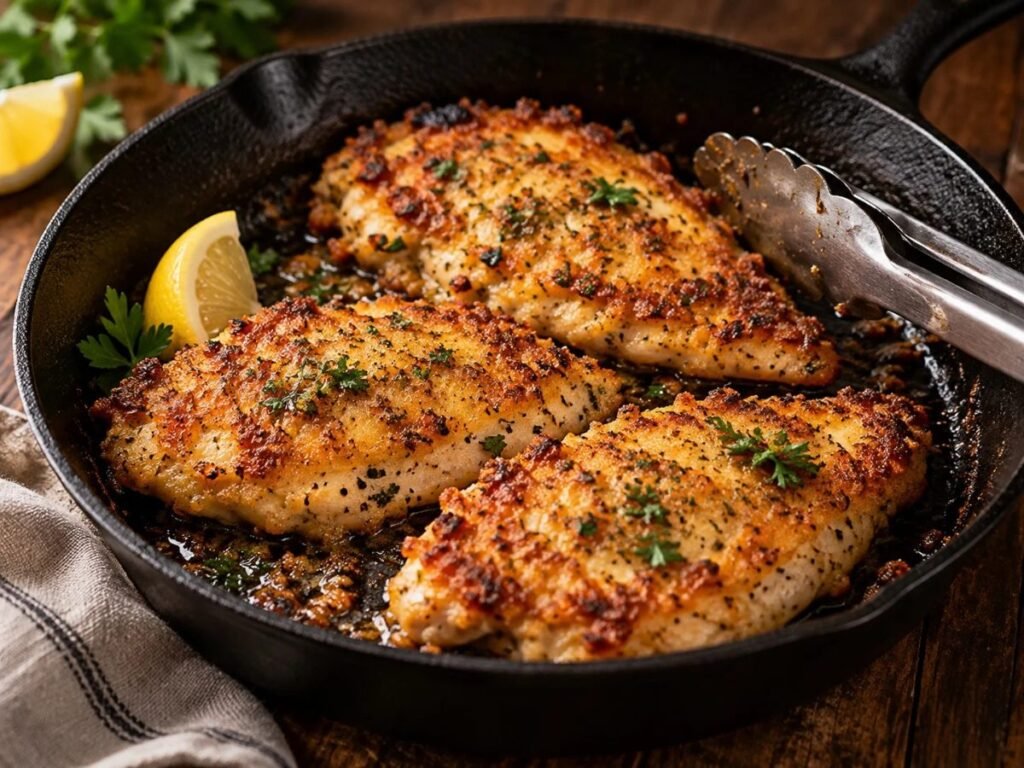
How to Pan-Fry Chicken (Golden & Crispy)
Pan-frying gives you a golden crust in about 10 minutes, with no oven needed.
Best for:
Thin-cut or pounded chicken breasts, cutlets.
How to Do It:
- Heat a skillet over medium-high heat.
- Add oil (enough to lightly coat the pan).
- Cook chicken without moving it until golden.
- Flip once and finish cooking.
Timing Guide:
- Thin cutlets: 4–6 minutes per side.
Savvy Bite Tip: If the chicken browns too fast, turn the heat down a little. Leave it alone until it releases easily from the pan before you flip it.
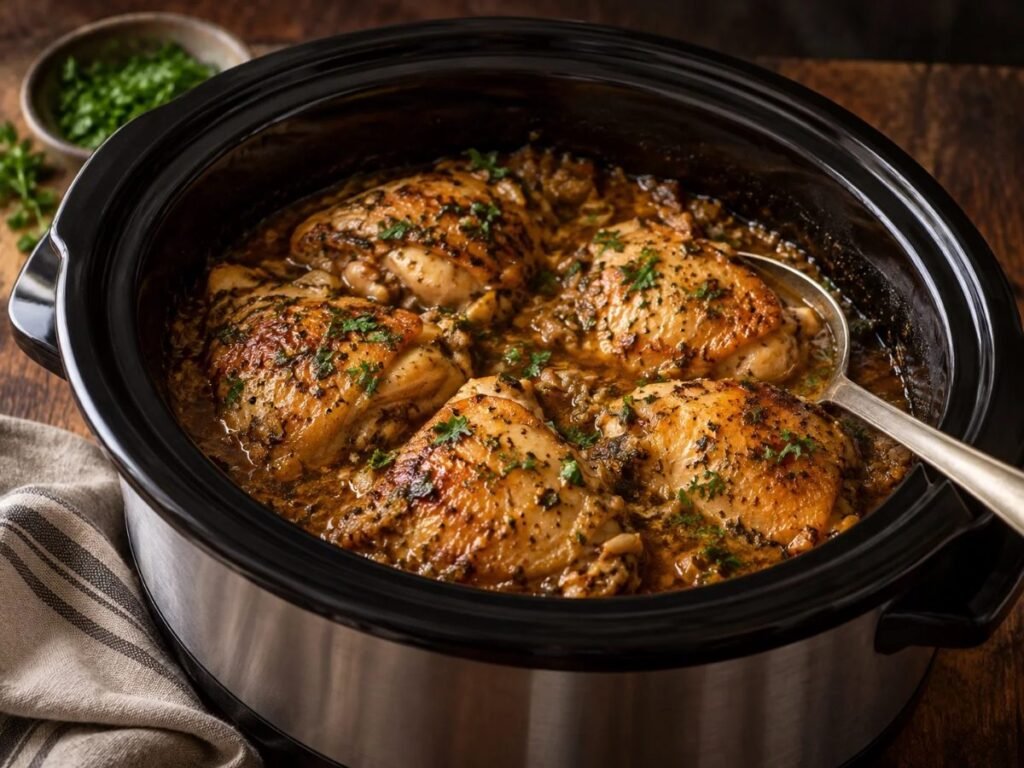
How to Cook Chicken in the Slow Cooker (Fall-Apart Tender)
The slow cooker is the easiest way to make a big batch of shredded chicken for tacos, soups, sandwiches and casseroles.
Best for:
Boneless breasts or thighs.
How to Do It:
- Add chicken to slow cooker.
- Season and add a bit of liquid (broth or sauce).
- Cook low and slow.
Timing Guide:
- LOW: 4–6 hours.
- HIGH: 2–3 hours.
Savvy Bite Tip: Don’t overcook, even in a slow cooker. Chicken should shred easily but still be juicy.
How to Know When Chicken Is Done (Without Guessing)
- Check the temperature. Chicken is done at 165°F in the thickest part, measured with a thermometer. This is the only reliable test.
- Don’t rely on color. Clear juices and opaque meat are helpful hints, but chicken can look done before it is safe, and fully cooked chicken can stay a little pink near the bone.
How to Thaw Chicken Safely
- In the refrigerator: the safest method. Allow about a day for a package of breasts or thighs and up to two days for a whole chicken.
- In cold water: keep the chicken in a sealed bag, submerge it in cold tap water and change the water every 30 minutes. Cook it right away.
- In the microwave: use the defrost setting and cook the chicken immediately afterward.
- Never on the counter. The outside warms up long before the middle thaws.
How to Store Raw and Cooked Chicken
- Raw chicken: cook or freeze it within 1 to 2 days of buying it.
- Cooked chicken: refrigerate within 2 hours and eat within 3 to 4 days.
- In the freezer: cooked chicken keeps its quality for about 3 months. Shred or slice it first so it thaws quickly.
- Reheating: warm leftovers to 165°F, with a splash of broth to keep the meat moist.
Chicken Recipes to Practice On
- Juicy Baked Chicken Breasts
- Pan-Seared Chicken Thighs
- Slow Cooker Shredded Chicken
- Simple Roast Chicken
- Baked Chicken Thighs and Veggies
- Crispy Oven-Baked Wings
Free Printable: Kitchen Cheat Sheet
Keep the numbers where you can see them. This one-page cheat sheet has safe cooking temperatures, thawing methods and storage times for the fridge and freezer.
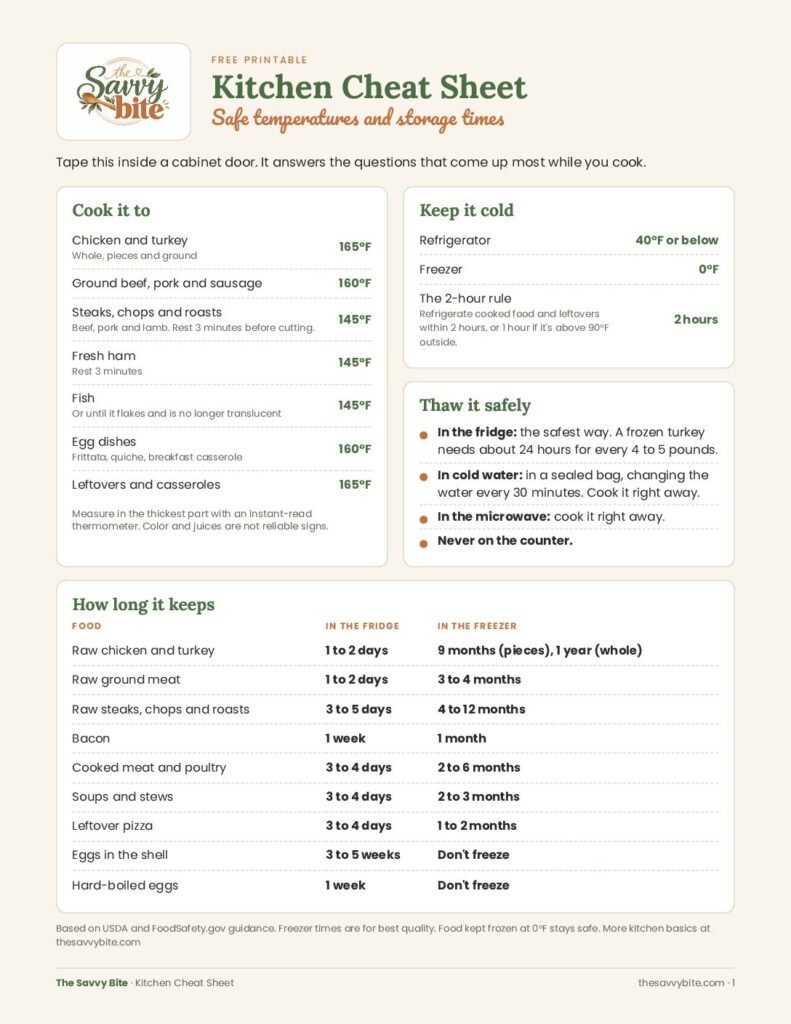
Kitchen Cheat Sheet
One page: safe cooking temperatures, thawing methods and how long food keeps in the fridge and freezer. Free, with no sign-up needed.
See all of our free printables.
Chicken Cooking Questions
Should I wash raw chicken before cooking it?
No. Rinsing splashes bacteria around the sink and counter, and cooking the chicken to 165°F is what makes it safe. Pat it dry with a paper towel instead, which also helps it brown.
Why is my chicken always dry?
It is usually overcooked, or the pieces are uneven so the thin end dries out before the thick end is done. Pound breasts to an even thickness, use a thermometer and let the meat rest. Thighs are more forgiving and stay juicy even a little past 165°F.
Is slightly pink chicken safe to eat?
If a thermometer reads 165°F in the thickest part, yes. Color alone doesn’t tell you whether chicken is done.