
When a doctor tells you to cut carbs or cut salt, the advice usually comes with a picture of a full fridge: fresh fish, specialty breads, “diabetic” snacks and low-sodium everything. That gets hard fast when money gets tight. A job loss, a medical bill or a fixed income can make the old way of shopping impossible.
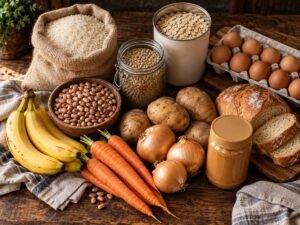
The good news is that a diabetic diet on a budget, or a low-sodium one, is built mostly from the cheapest foods in the store: dried beans, eggs, oats, frozen vegetables and plain cuts of chicken. This guide covers where to find free help, which staples to buy and which pricey products you can safely skip.
This article shares general information, not medical advice. Your doctor, dietitian or diabetes educator knows your health history, your medications and the targets that are right for you. Check with them before making big changes to how you eat.
Start With the Free Help
Before you spend anything, look into the help that may already be available to you.
- A dietitian, possibly at no cost. According to Medicare, people with Medicare who have diabetes or kidney disease, or who had a kidney transplant in the last 36 months, can get medical nutrition therapy from a registered dietitian with a doctor’s referral, and pay nothing if they qualify. Private plans and Medicaid may also cover diabetes education, so ask your insurer.
- SNAP. If your income has dropped, you may now qualify. SNAP covers the staples in this guide, including beans, eggs, oats, frozen vegetables and meat.
- Food pantries. Tell the pantry about your diet. Some can set aside low-sugar or lower-sodium items when they have them. Our food pantry recipes work with the most common pantry box foods.
- Your clinic or hospital. Ask whether they run free diabetes classes or know of local food programs for patients.
If money is very tight right now, these cheap meals for when you’re broke also has help for people who have just lost a job or income.
Budget Staples for Blood Sugar
A simple way to plan meals is the diabetes plate method: fill half of a 9-inch plate with non-starchy vegetables, one quarter with protein and one quarter with carbohydrate foods like rice, potatoes, beans or bread. It doesn’t require special foods, and it naturally keeps portions of starchy foods in check.
Prices are from Walmart’s and ALDI’s websites for stores in Columbus, Ohio, checked in October 2026. Ohio’s grocery prices are within about 1% of the national average, so you may pay more or less depending on where you live, and prices change often. Here’s how we price our recipes.
| Food | Price | Why it helps |
|---|---|---|
| Eggs | $1.66 a dozen (ALDI) | Protein with almost no carbs |
| Dried pinto beans | $1.95 for 2 pounds (ALDI) | Fiber and protein, very cheap per serving |
| Dried lentils | $1.92 a pound (Walmart) | Cook in 20 minutes, no soaking |
| Old-fashioned oats | $3.99 for 42 ounces (ALDI) | More fiber than instant flavored packets |
| Frozen mixed vegetables | 98 cents for 12 ounces | Fills the vegetable half of the plate |
| Frozen chopped spinach | $1.24 for 10 ounces (Walmart) | Easy to add to eggs, soups and pasta |
| Chicken drumsticks | 89 cents a pound (ALDI) | The cheapest meat per pound we priced |
| Canned tuna | 95 cents a can (ALDI) | Protein for lunches, no cooking |
| Plain nonfat Greek yogurt | $2.99 for 32 ounces (ALDI) | Protein for breakfast without the added sugar of flavored cups |
Two easy swaps save money and help blood sugar at the same time: buy plain yogurt and oats instead of flavored versions, and drink water instead of soda or juice. For more cheap protein, see the cheapest protein sources, ranked by cost.
Budget Staples for a Low-Sodium Diet
According to the FDA, the Dietary Guidelines for Americans recommend less than 2,300 milligrams of sodium a day for adults, but Americans average about 3,400. More than 70% of that sodium comes from packaged and prepared foods, not the salt shaker. That’s why cooking from basic ingredients is the cheapest way to cut back. Your doctor may give you a lower target, so follow theirs.
- Dried beans and lentils have almost no sodium. If you buy canned, draining and rinsing them cut sodium by 41% in one study.
- Plain frozen vegetables without sauce or seasoning packets.
- Fresh or frozen plain chicken, pork and ground meat instead of deli meat, hot dogs, bacon and sausage, which are some of the saltiest foods in the store.
- Rice, oats, potatoes and pasta are naturally low in sodium. Skip the flavored boxed versions with seasoning packets.
- Onions, garlic, lemons and dried herbs add flavor without salt. Our simple sauces post includes homemade seasoning blends you can mix with little or no salt.
- Read the label. “Low sodium” means 140 milligrams or less per serving. “No salt added” and “reduced sodium” don’t always mean low, so compare the numbers.
Specialty Products You Can Skip
- “Diabetic” candy and snacks. They often cost more than regular snacks, and sugar alcohols in them can upset some people’s stomachs. A piece of fruit or a handful of peanuts usually costs less.
- Specialty low-carb breads and pastas. A smaller portion of regular whole-grain bread or pasta, with plenty of vegetables, fits the plate method.
- Pricey low-sodium convenience foods. Cooking a pot of beans or soup from scratch gives you control over the salt for much less.
- Salt substitutes, unless your doctor says yes. Many are made with potassium, which isn’t safe for everyone, including some people with kidney disease or on certain medications.
Cheap Meal Ideas That Work for Both
These recipes from the blog fit both diets with small changes: use low-sodium broth, skip or cut the added salt, and keep starchy sides to a quarter of the plate.
- Breakfast: tomato spinach egg scramble (go light on the rice) or plain oats topped with peanut butter.
- Lunch: vegetable lentil soup made with low-sodium broth, or a tuna salad with plain Greek yogurt in place of some of the mayo.
- Dinner: sheet pan chicken and veggies, lentil vegetable chili with no-salt-added tomatoes, or baked chicken thighs and veggies.
- Snacks: hard-boiled eggs, carrots and peanut butter, or plain yogurt with frozen berries.
Special Diet on a Budget: Your Questions
Is a diabetic diet more expensive?
It doesn’t have to be. The foods that help most, like beans, eggs, oats and frozen vegetables, are some of the cheapest in the store. Specialty “diabetic” products are where the cost adds up, and most people don’t need them.
Can I still eat rice and pasta with diabetes?
Many people can, in measured portions. The plate method keeps starchy foods to about a quarter of the plate. Your dietitian or diabetes educator can help you set the right amount for you.
Are canned foods off-limits on a low-sodium diet?
No. Look for no-salt-added or low-sodium labels, and drain and rinse canned beans and vegetables to wash away some of the salt.
How can I see a dietitian for free?
If you have Medicare and diabetes or kidney disease, ask your doctor for a referral for medical nutrition therapy. Otherwise, check with your insurance plan, your clinic or a local hospital about diabetes education classes.
This post shares general budgeting information, not personal financial advice.